Explore Clinical Trials: Where Hope Meets Progress
Introduction to Clinical Trials
Patients are waiting eagerly for solutions to their unmet medical needs. However, clinical research entails more than discovering new treatments; it must ensure the safety and well-being of everyone involved. This understanding drives us to meticulously design our studies. Together, we’re pioneering trustworthy new treatments, advancing genetic research, and bringing hope to people facing serious diseases.
Join us on a journey toward a brighter, healthier future.
At AskBio, our mission is to advance innovative science through responsible clinical research. We put patients first in everything we do, designing and conducting research programs intended to better understand diseases and evaluate potential investigational therapies. We remain committed to scientific progress while recognizing the inherent uncertainty of clinical research.
Currently, we have active clinical studies in several areas, including Pompe disease, congestive heart failure, multiple system atrophy, Parkinson’s disease, and limb‑girdle muscular dystrophy. Learn more about our clinical trial navigator by visiting our myTomorrows page or by exploring the information below.
Late-Onset Pompe Disease
Status: Active, Recruiting
Congestive Heart Failure
Status: Active, Not Recruiting
Multiple System Atrophy
Status: Active, Not Recruiting
Parkinson’s Disease
Status: Active, Recruiting
LGMD 2I/R9
Status: Active Recruiting
Clinical Trial Considerations
Gene therapy clinical trial design varies depending on the disease, its prevalence and orphan disease classification, therapy type, and number of participants.
To bring medicines to patients as efficiently and safely as possible, gene therapy trials often combine early- and late-phase processes and involve a small number of patients. At present, gene therapy is a one-time treatment. Individuals are dosed then followed for 3 to 5 years to assess the long-term safety and overall health impact.
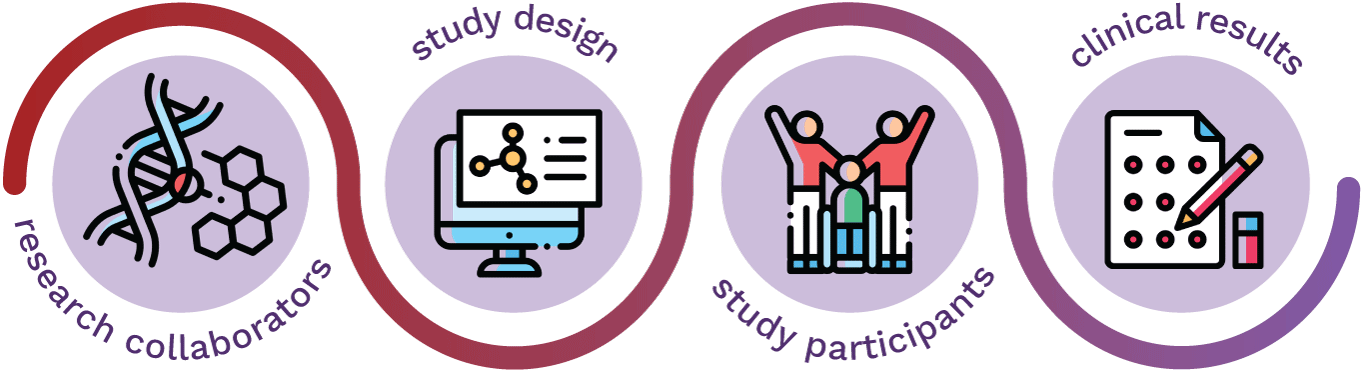
When patients with rare diseases don’t live near medical centers of excellence, AskBio can make arrangements to circumvent potential travel hurdles, such as offering at-home study assessments.
Participants may be ineligible for a trial if their immune systems have existing antibodies or neutralizing antibodies (NAbs) that will likely destroy or impede the gene therapy’s progress. People who are treated with most gene therapies will develop NAbs, which currently prevent re-dosing. AskBio is actively working to overcome these challenges.
Read More About Our Redosing and NAb Research Initiatives With Selecta Biosciences
Our Expanded Access Policy
We understand the urgency of treating rare diseases and ensuring approved treatments reach those who need them. While we don’t currently offer expanded access programs, we’re working tirelessly to gather evidence about the safety and effectiveness of our therapies. Once we receive favorable study results, we’ll explore options to make treatments more widely accessible.