Haley’s Story
A Pompe Community Interview with Krystal and Haley Hayes, Virginia
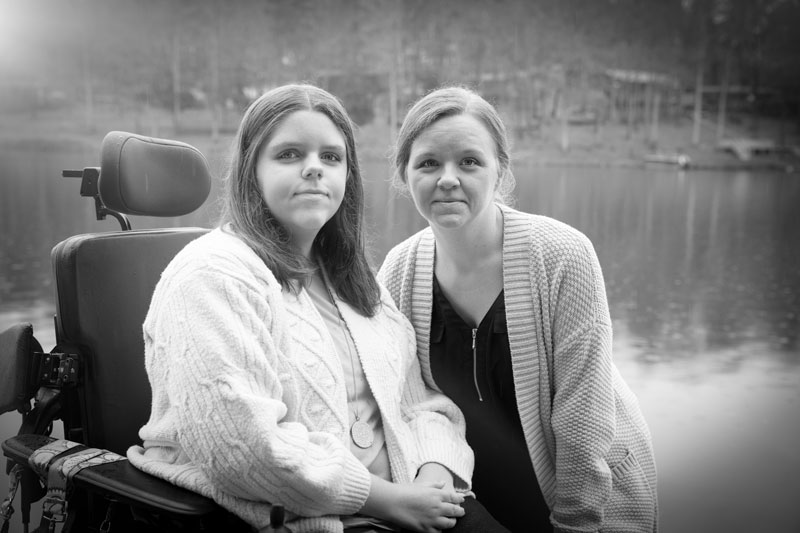
For most, senior year of high school is filled with excitement and anticipation for what lies ahead. It means participating in clubs, attending athletic events, memorable moments with friends, and, of course, senior prom. Meet Haley, a promising high school senior in a small southern Virginia town, who embodies the same positive outlook as many of her peers. But for Haley, life is not the same. Haley lives with Pompe disease and passionately shares her life story from her electric wheelchair.
When did you first notice something was off?
Haley’s mom Krystal shares, “Haley was a very colicky, fussy baby, and at four months old her weight was well behind the normal growth curve. That’s when the frequent medical visits and a series of tests began. At six months old, Haley was admitted to the hospital as her muscle enzymes were very high, and her heart was enlarged. She was diagnosed with Infantile Onset Pompe Disease (IOPD). It was like a punch to the gut because that was the one diagnosis we did not want to hear. We were really devastated.”
How has Pompe personally affected your family?
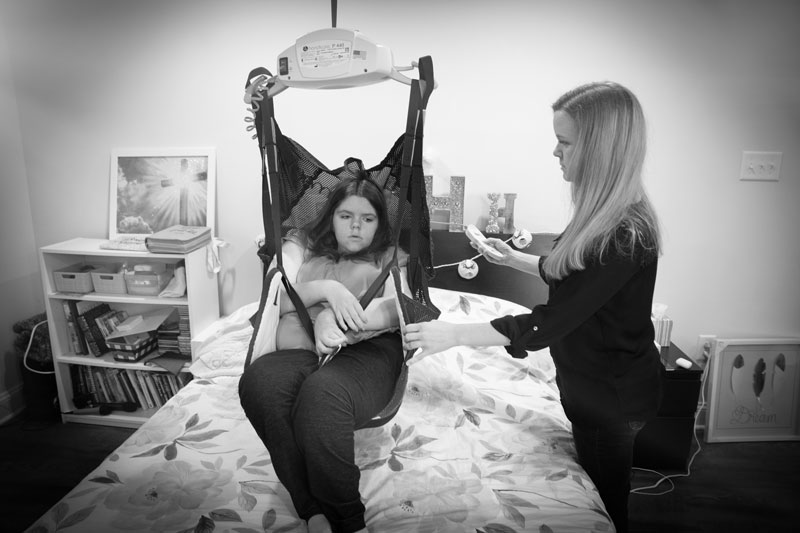
Haley is a thriving 18-year-old with a zest for life. “Though her heart condition has improved over time, she has never been able to walk, and her speech is significantly impaired. She needs the assistance of a harness to raise her in and out of bed and requires help with most daily tasks like getting dressed, preparing food, and eating.” However, Haley is brimming with confidence and does not let her physical challenges prevent her from making friends or going to concerts with mom and dad.
What do you wish people knew about living with Pompe?
Haley has spent her entire life receiving weekly Enzyme Replacement Therapy (ERT) which means a full day visit to the hospital. Haley recalls, “the long 10-hour hospital days to get infusions. We would arrive at the hospital at 7 a.m. and would stay until 4 p.m. and then had to go to the doctor’s office after that.” Now she receives in-home ERT once a week, a strenuous six-hour process. Without these treatments, Haley would not be here today. Through all the adjustments she and her family have had to make, Haley still says, “It’s all worth it!”
How important is it to find new treatments for Pompe?
Krystal shares, “Haley is excited about what the future holds. She stays positive about Pompe and knows what she has to do to make the best of her circumstances. Haley may never see her muscles recover and her speech will forever be impacted. She faces a life that includes a caregiver to get through each day and weekly, day-long treatments. To those working on treatments for rare diseases like Pompe, Haley pleads, “I would like to encourage those making treatments for any diseases – it may be helping a family or saving a child’s life.”
What are your hopes for the future?
Krystal reinforces Haley’s advice for those working on treatments. “At this point, unless some new muscle regeneration begins, we hope we can help pave the way for others who are being diagnosed.” Haley adds, “I wish I could do more. I have friends who compromise by coming to my house, or my mom takes me to lunch with them. For those working on treatments for Pompe, keep going. It can make a difference in someone’s quality of life!”
For more information about Pompe disease, visit the Acid Maltase Deficiency Association https://amda-pompe.org, the Muscular Dystrophy Association https://www.mda.org, or the International Pompe Association https://worldpompe.org.
Patient experiences and perspectives are personal and do not reflect clinical outcomes or the effectiveness of any investigational therapy.